Why the South West Needs a More ‘Pro-Development’ Mindset

Bristol City Council’s removal from ‘special measures’ by the Housing and Planning Minister, Matthew Pennycook, is more than an administrative update. It is an opportunity to reset the narrative.
As someone working daily to bring forward development projects in the city, the designation had become a recurring backdrop to conversations with clients, funders and investors. Even where the practical implications were limited, the perception of a planning system under scrutiny introduced hesitation.
Because for all of Bristol’s economic strengths, a quieter perception has been building that development here is difficult, costly and uncertain. And in a competitive market, perception quickly shapes investment decisions.
Competitiveness Is About Certainty

A recent Arcadis report ranked Bristol as the 8th most expensive city in the world for development. That headline isn’t just about build costs. It reflects complexity, delay, viability, pressure and risk.
Over the past 15 years, around 70% of planning applications in Bristol have been approved. In neighbouring West of England authorities, the figure is closer to 90%. In core cities such as Birmingham, Nottingham, Leeds, and Manchester, approval rates typically range from 80% to 95%.
Approval rates and decision-making consistency increasingly function as economic signals. They influence land transactions, funding terms and whether capital flows into or past a city.
Investors do not expect perfection. They expect predictability.
A Regional Challenge
This isn’t solely a Bristol issue.
Recent research shows that the South West has the lowest average 5-Year Housing Land Supply in England, at around 2.8 years, and that 96% of authorities are unable to meet their requirements.
Housing supply is not a technical footnote. It underpins:
- Labour mobility
- Business expansion
- Affordability
- Long-term economic resilience
When supply tightens, competitiveness gradually erodes. Employers struggle to recruit. Younger households are priced out. Investment recalibrates elsewhere.
Protecting What Makes Places Special
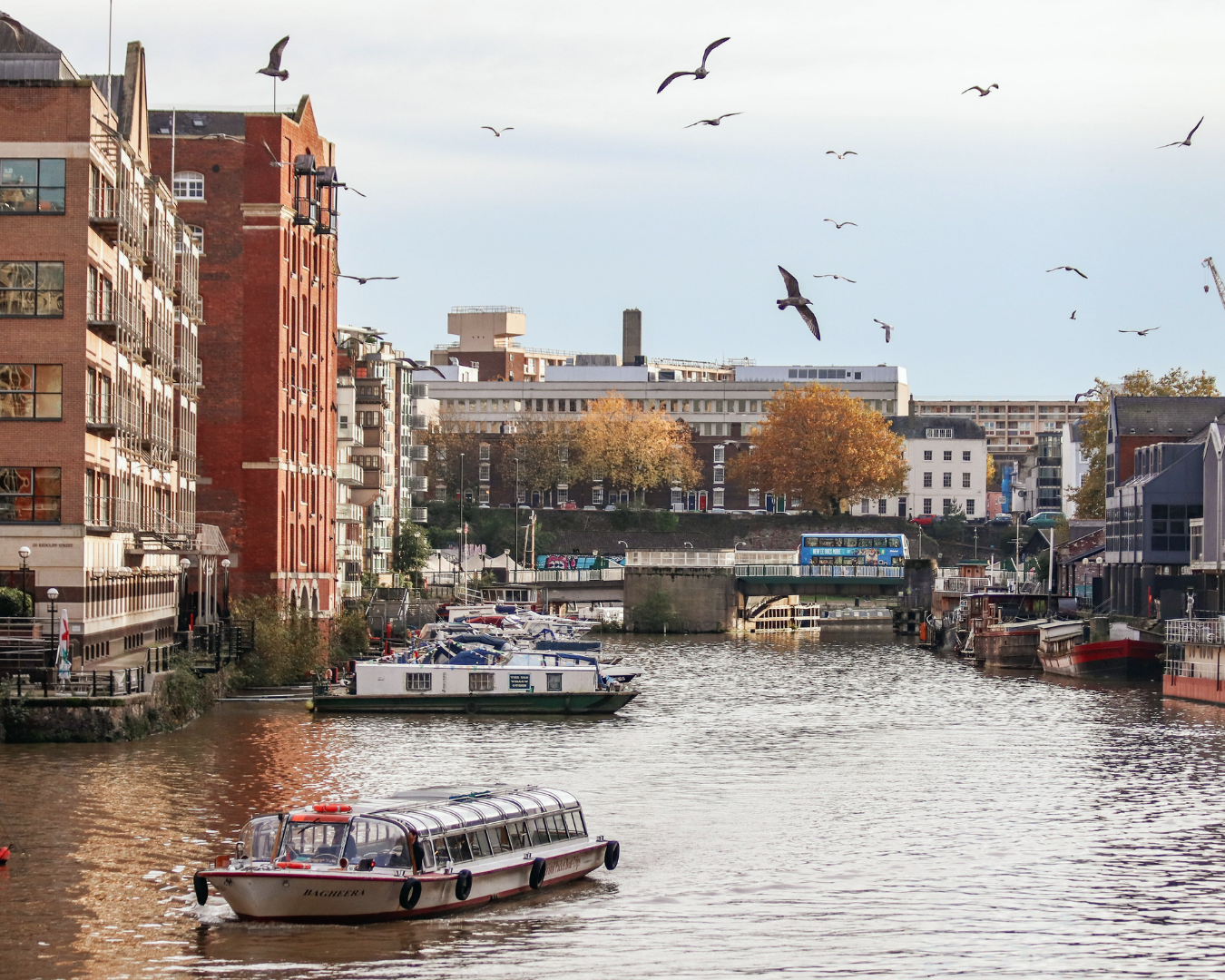
The South West’s success is built on extraordinary environmental and cultural assets. Protecting them matters. But responsible stewardship doesn’t mean resisting change.
Planning positively for development is how we shape growth, rather than react to it. It allows infrastructure, homes and employment to align. It enables brownfield regeneration. It supports sustainability goals.
A pro-development mindset is not about lowering standards, but is about clarity of ambition and confidence in delivery.
The Importance of Strategic Focus
Recent policy shifts, including the emphasis on so-called ‘Grey Belt’ land, have helped accelerate housing delivery in some locations. But the long-term health of cities like Bristol will depend just as much on unlocking complex brownfield and city-centre regeneration sites.
These projects are harder. They require coordination, public-sector leadership and private-sector confidence. But they are also where transformative growth happens, integrating homes, employment space, public realm and infrastructure in sustainable locations.
The re-emergence of strategic planning tools, including Spatial Development Strategies and enhanced mayoral powers, offers a chance to refocus on that bigger picture.
Moving from Caution to Managed Confidence
If the South West is to remain economically dynamic, we collectively need to move from caution to managed confidence.
That means:
- Clear spatial priorities
- Consistent policy interpretation
- Constructive public–private collaboration
- A shared understanding of what “good growth” looks like
Growth at any cost is not the answer. But growth by design must be.
Evidence That It Can Be Done
We are already seeing proactive approaches unlock opportunity.
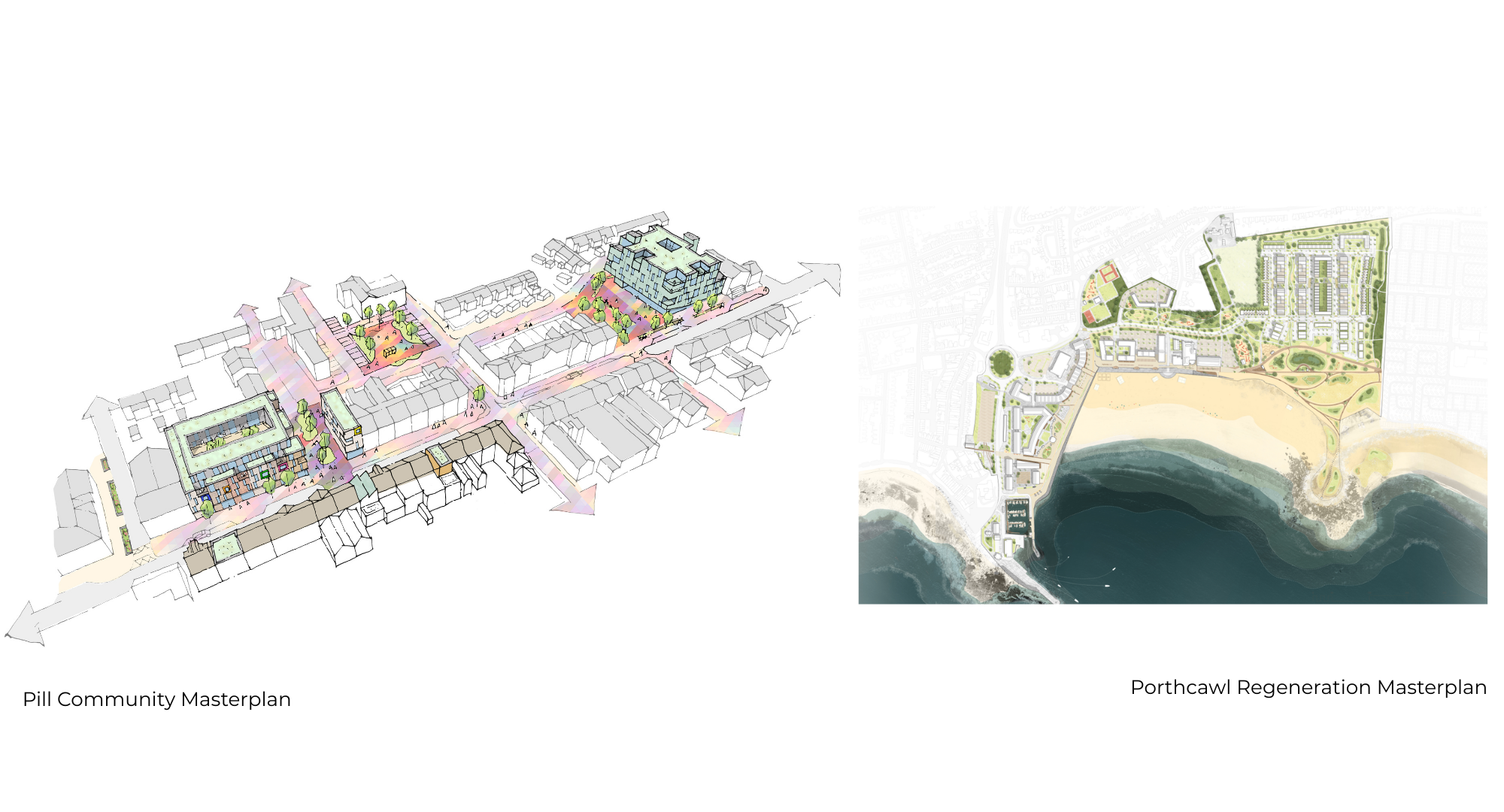
In Doncaster and Newport, city centre masterplanning identifies and facilitates regeneration through coordinated interventions.
In Porthcawl, partnership working with Bridgend County Borough Council and the Welsh Government is shaping a waterfront regeneration programme that will deliver over 900 homes alongside leisure uses and enhanced public spaces.
These examples show that when clarity of vision aligns with collaborative delivery, complexity can be overcome.
A Moment to Reset
Bristol’s removal from special measures signals progress. The greater opportunity now is to strengthen confidence in policy, process, and partnership.
The South West has extraordinary potential. The question is how confidently we choose to plan for it.
If we align around a clear, plan-led approach to good growth, we can reinforce the region’s economic competitiveness while protecting the qualities that make it distinctive.
That is a conversation worth having and a future worth shaping.