

“Make no little plans; they have no magic to stir men’s blood.”
When American New Urbanist Daniel Burnham said this in 1909, he believed that small, incremental ideas lacked the inspiration necessary to get people to fight for them. He argued that a grand, logical, and beautiful vision endures because it commands respect and naturally draws people toward its realisation.
So, how does this need for “big, stirring plans” fit with the future of our High Streets?
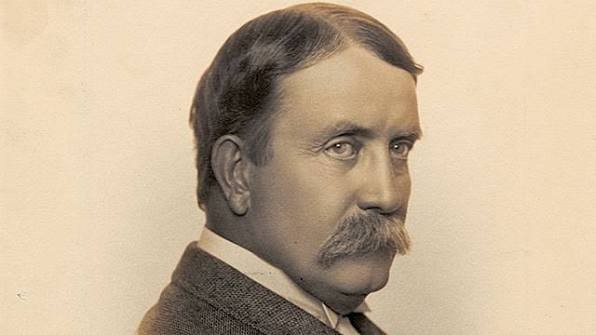
Daniel Burnham
Seismic waves of change
We’ve had over a quarter of a century of trying to retain the purpose of our town centres following four seismic waves of change:
1990s: The flight to out-of-town shopping.
2000s: ‘Tescopoly’ and the rise of the giant Metro stores.
2010s: The online retail boom.
2020s: The post-Covid reshaping of work and retail.
Underlying these waves are two powerful undercurrents: the Era of Austerity following the Global Financial Crash, and a severe hollowing out of the skill base in Local Government—especially property expertise. Each wave has compounded the impact of the last, stalking our town and city centres and leaving them with a crisis of purpose and a prevailing sense of decline. Communities feel life is getting worse, not better, and it’s showing up in the volatile shifts we’re seeing in our politics.
Another Burnham
It is another Burnham—Andy—who tapped into this exact frustration yesterday (28th June 2026) with his speech demanding a radical redistribution of power and a ‘No.10 of the North.’
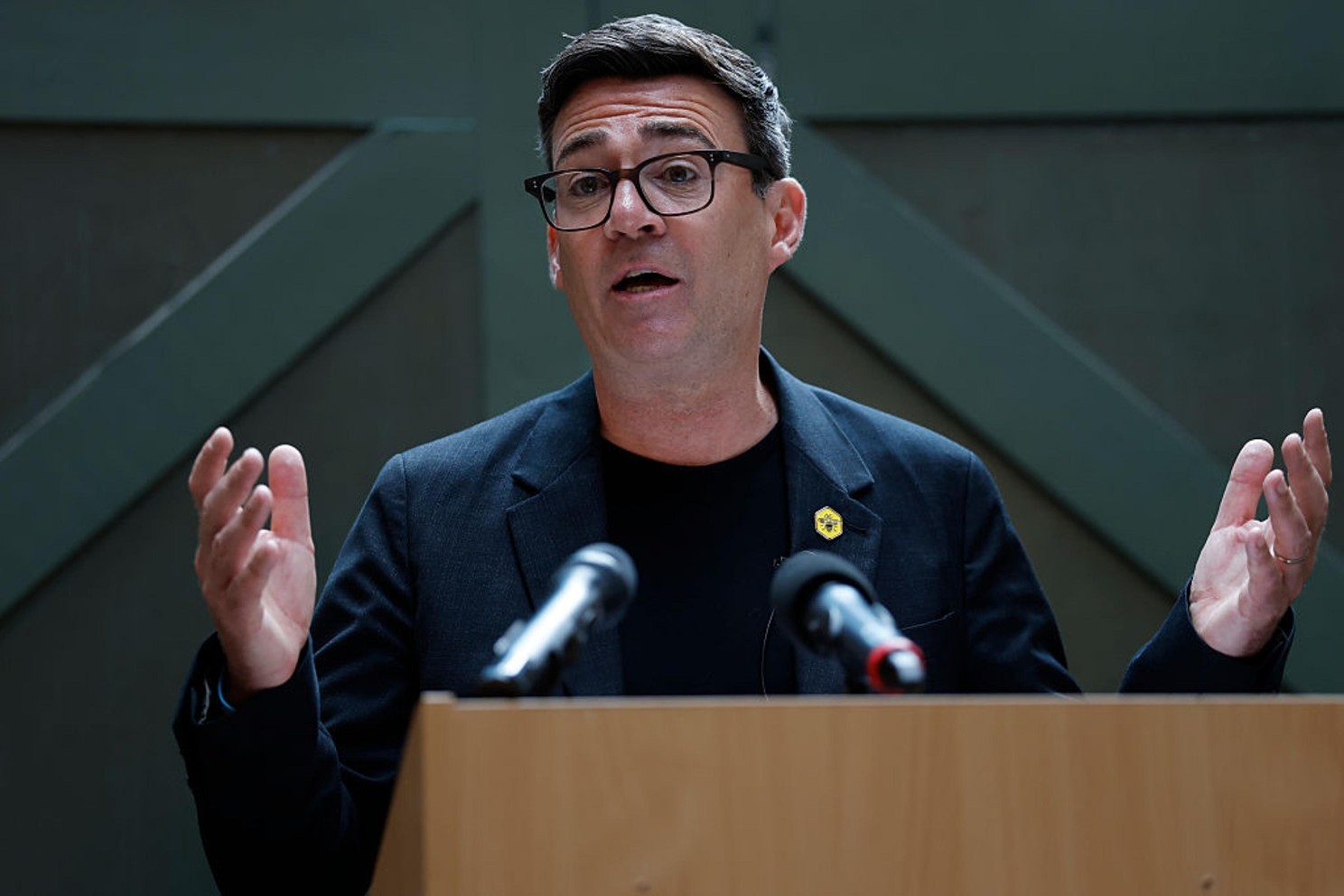
Andy Burnham outlines his vision for greater devolution from Westminster 29.06.26 (Jeff J Mitchell––Getty Images)
His intervention highlights a modern truth: Daniel Burnham’s ‘grand visions’ are meaningless if local leaders don’t have the power, or the practical skills, to execute them.
Events like UKREiiF demonstrate that there is no shortage of people driven by the mission to reshape our towns and redefine the High Street. The ‘Make No Small Plans’ thread was alive and well at the Leeds event this year. Go Big, or Go Home. Launch a vision. Sell a dream.
But there is another thread that interests me far more. Not what needs to be done, but how change actually happens. How are ideas put into action? Who takes them forward?
I’ve been deeply involved in town centre regeneration for over 25 years. Recently, there has been a worrying trend of BIG IDEAS backed up by great-looking documents, fancy infographics, and compelling flythrough videos. But without a solid, commercially grounded plan to make them happen, they remain just ideas, and the places they were supposed to rescue continue to atrophy.
So, what is my advice to Local Government Officers and civic leaders to ensure we aim high with vision, but establish exactly how it will be achieved?
how it will be achieved?
Set the right brief: High Streets have a property problem. Use development surveyors alongside an integrated team of urban designers, masterplanners, architects and planners to ensure your High Street achieves a viable critical mass and a genuine buzz.
Make a strategic plan and stick to it: Change takes time, and consistency is key. Decisiveness and progress are more important than ‘analysis paralysis’. Tactical interventions must serve the wider strategy; anything else is a distraction.
Build a conveyor belt of interventions: Move projects relentlessly from concept, to feasibility, through to planning and construction. Get the right blend of internal support and external consultants to organise for delivery.
Sort Governance out: Make sure there is executive oversight of project delivery to prevent mission creep and strategic drift.
Get quick wins away: We live in cynical times. Demonstrating success, even small-scale tactical quick-wins, signals change, buys you time, and creates positive community sentiment. You’ll need that support for the bigger projects ahead.
Don’t just knock buildings down: Public space—especially green space—can add tonnes of value, but poorly designed and badly maintained spaces only compound the problems you are trying to solve.
Use planning and financial tools: Positive planning powers create market certainty. Combine these with place-based financial tools to make it cheaper for occupiers to do business exactly where you want them to.
Devolution: Power is shifting, but it looks different depending on where you stand. In England, mayoral combined authorities are leveraging deeper devolution deals to drive regional economic growth. In Wales, Corporate Joint Committees and the Future Generations Act demand a hyper-local approach to sustainable placemaking. In Scotland, NPF4 has put local place plans at the heart of community-led regeneration. The overarching lesson? Local leaders must use new powers to forge distinct, deliverable strategies. Having the political power to act means nothing if you lack the integrated commercial and design skills to execute.
Regeneration is fundamentally about creating belief.
But ungrounded BIG IDEAS don’t do that; they breed scepticism when the community inevitably sees no improvements on the ground.
To truly fix our high streets, we need to bridge the gap between the two Burnhams. We need Daniel’s stirring ambition to inspire our communities, backed by Andy’s demand for the local power and pragmatism to get things done. The focus on delivery is vital.
Strike the right balance between visionary thinking, planning certainty, and commercial viability, and your place will successfully be repositioned for the mid-21st century. Rely solely on the glitter of ungrounded big ideas, and your town might just be the next casualty of another decade of change.


